Slow Down the Spread of Coronavirus – Here’s How

This is an update for my previous post about things you can do to prevent the coronavirus (or any virus) from spreading too quickly.

  • Stay home!
  • If you have flu-like symptoms (even the slightest), do not go out. If you need to go to buy food or medicine, ask your friend or family to do it for you and leave the shopping outside your door.
  • Work remotely if possible.
  • If you are healthy (no flu-like symptoms), you may go out but keep distance to other people and avoid public places.
  • Do not visit friends and family – especially the elderly or who’s immune system is impaired (like cancer sufferers). Instead call them.
  • Wash hands every time you come in, after using toilet and before you eat – use proper technique when washing the hands, drying them and closing the tap. Use hand sanitiser if washing hands is not optional.
  • If you are healthy and not in a risk group, go food shopping during the day. Leave the early morning hours to the risk-groups when it is the most quiet.
  • Gough and sneeze to your sleeve. This is important especially in public places. And very important it the food stores where all of us need to go. Remeber that there is not such thing as innocent or unharmful uncovered cough!
  • Wash the fruits and vegetables with soap (remember to rinse thoroughly).
  • If you get flu like symptoms DO NOT phone the health officials. DO NOT go to the health centre. Treat yourself at home like with any cold. DO NOT go out. Instead ask a friend or family to bring you the stuff you need and ask them to leave them behind your door. But if you develop more severe symptoms like breathing difficulties, that is the time to call your health care officials. Why this is important? Because the health care system is now under huge pressure and all of us need to understand that even if you are worried that you have contracted coronavirus, you do not need to see/call a doctor. If you do not have breathing difficulties, there is no need to call or see a doctor. In the worst case scenario, you might take common cold to the health centre and the staff will get sick during the time when they are needed the most.
  • Cancel you hobbies and holidays (in the next coming months). Cancel everything where several people would gather.
  • Cancel you non-urgent dental and doctor’s appointments.

Remember that we will get thorough this. It is only temporary and life will go on after the epidemic passes. It will be difficult to distance yourself from people (unless you are an introvert). Use internet to connect to people. Chat with people you don’t know. They are as desperate to connect as you are. Sing from the window if you like and if it lifts your mood or the neighbour’s.

Continue reading “Slow Down the Spread of Coronavirus – Here’s How”

You Can Slow Down the Spread of Coronavirus – Find out How

As the coronavirus is pandemic now and in many countries it has become epidemic, like with any epidemic, the most important thing is to slow down the spread of the virus. It’s no longer a question of avoiding it. Coronavirus will come and most likely you will get it but personally that’s not what I’m worried about. What worries us health professionals is that too many people will get sick at the same time and the health care system is not able to cope. That is why we need everyone’s help in slowing down the spread of the virus.

What Can I Do?

Most important thing is to avoid all unnecessary traveling. Even the small scale traveling like going shopping. Stay home. You may go for a walk but keep distance to the other people you encounter.

Do not visit friends or family, especially the elderly or people with low immune system (like cancer sufferers) because for them the coronavirus may be lethal. You can always phone them or connect with online video if available. Cancel your hobbies and don’t go to the birthday parties. Cancel non-urgent appointments to the dentist and doctor. Remember, this is only a temporary measure for common good.

Work remotely if possible.

Wash hands for 20 seconds with soap before you eat, before you prepare a meal, every time you come in from outside, work or home, and after using a toilet. Use proper technique (here’s how) especially when closing the tap. And remember that the door handle is probably the most contaminated thing you can touch in a public toilet, so try to open the door with your elbow or wrist. If the door has a knob, use disposable tissue to open it.

Cough and sneeze on your sleeve or disposable tissue. Cover your nose and mouth properly (here’s how). Remember that even the smallest cough will possibly spread the virus around you and if you happen to walk past an elderly person when not covering your mouth when coughing, you might be responsible for their death.

Wash the vegetables and fruits with soap (remember to rinse) before you eat them. I use washing up liquid or just regular hand soap.

If you get flu like symptoms DO NOT phone the health officials. DO NOT go to the health centre. Treat yourself at home like with any cold. DO NOT go out. Instead ask a friend or family to bring you the stuff you need and ask them to leave them behind your door. But if you develop more severe symptoms like breathing difficulties, that is the time to call your health care officials.

Please help slowing down the virus and share this post to you friends and colleagues to raise awareness.

Here’s more on the subject

What is the best way to cover you mouth when you sneeze?

Continue reading “You Can Slow Down the Spread of Coronavirus – Find out How”

Dentists! It Is Time to Raise Stakes with Coronavirus

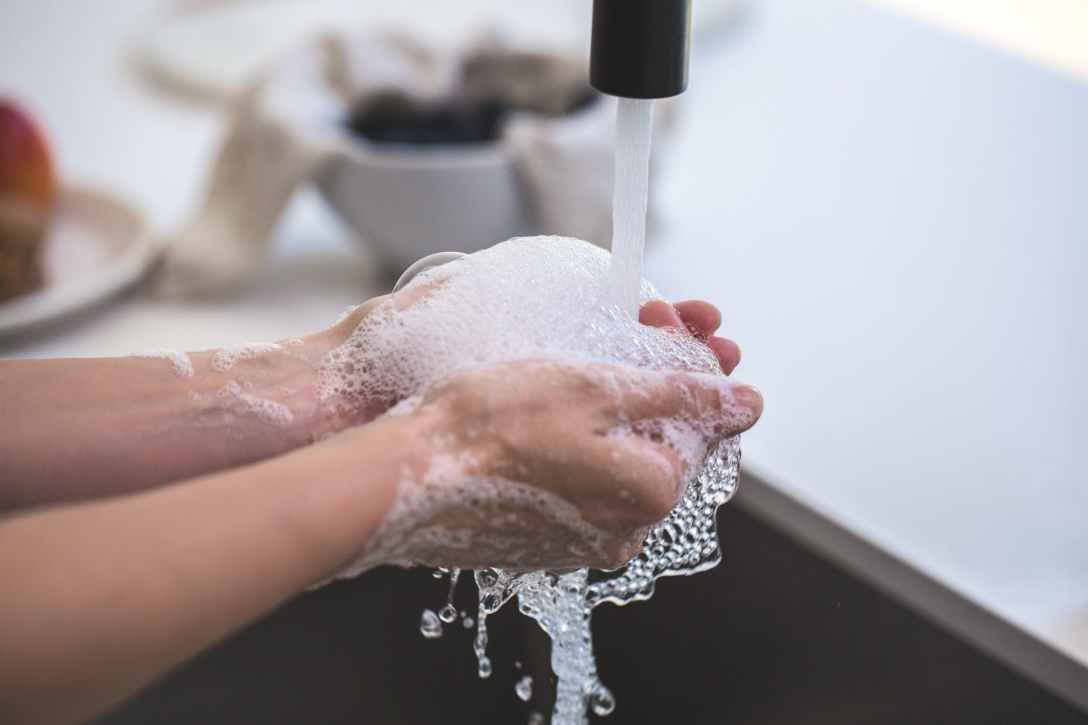
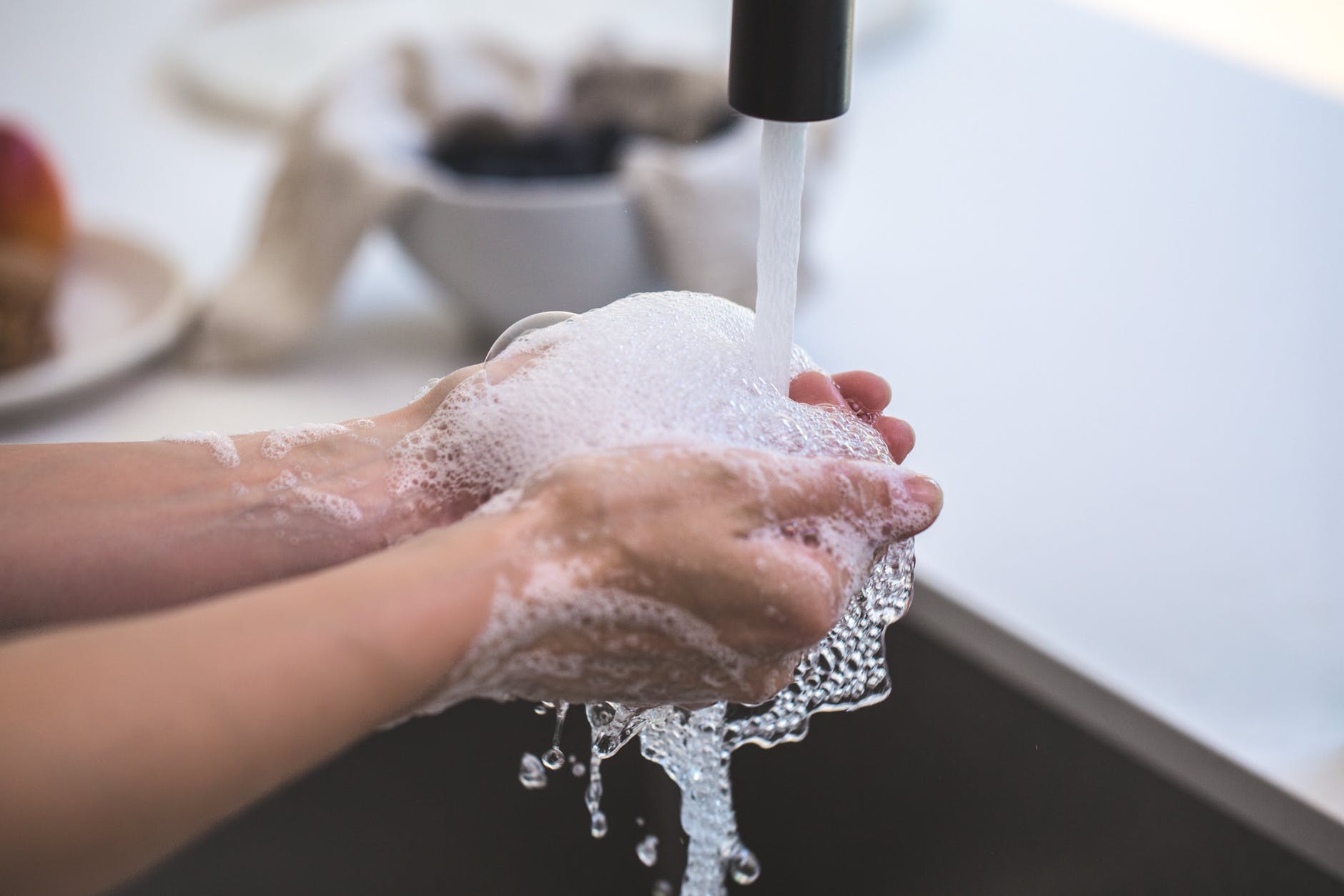
person washing his hand
Photo by Burst on Pexels.com

I recently wrote about how dental professionals should protect themselves and the patients against the coronavirus at dental practice. Things have rapidly escalated since and the coronavirus is beyond stopping. It is now question of slowing the spread of the virus so that the health care wouldn’t become overwhelmed with patients needing an intensive care and that all the people needing intensive care will get it all throughout the pandemic.

Drastic and Immediate Measures

All the non-urgent treatments should be postponed until the coronavirus epidemic has settled. And I mean all! Only urgent treatments should be performed. Find out if your country has centralised place for people who need urgent dental treatment and has signs of influenza (cough, runny nose, sore throat). Some countries do. If your country does, accept only healthy patients to be given urgent dental care at your practice. Also patients that have returned from abroad in the past 14 days, patients that has had contact to a quarantined person or contact to a person with confirmed COVID-19 should not be allowed to have treatment in the surgery. 

This measure is necessary for many reasons. First, you will guarantee that you will not run out of the face masks. Second, you will slow down the spread of the virus. Third, you protect your own employees and patients and by doing that your practice might be able to stay open all throughout the pandemic. Fourth, you will guarantee that you will be able to provide urgent dental care in the next months to come when availability of face masks, disposable gloves and hand sanitiser is uncertain.

Limit the Contamination Area

If your surgery has many treatment rooms, use only one or two of them – the same ones every day. This is easy if you have followed my first advice as not as many patients are coming in as normally. Also choose the ones closest to the waiting room.

This measure is for the likely event of COVID-19 positive person visiting your practice. You would need to perform extensive cleaning and sanitising only to those rooms where you treat patients.

Minimalism at the Waiting Room

Remove newspapers and magazines from the waiting room. Also a remote control for TV if you have one. Remove some of the chairs and leave rest of them 2 meters (78 inches) apart. Also like I said on my previous post – provide hand sanitiser at the waiting room but do not trust the patients know how to use it (do you?). You can always ask patients to wash hands when they arrive at the treatment room. Most likely they don’t know how to do this properly either and you can be a role model (remember to follow the 20 second guideline plus correct way of closing the tap. If unsure, check this)

If you haven’t already read my previous post, now is the time as there is more information about face masks etc. All those advises are still applicable. 

What About Profit?

We all know that most of dental practices make huge profits. It is now time to forget the money and do the right thing for common good. Imagine how restaurants, shops, hotels, musicians (just to mention few of them) are doing now when everything is cancelled. We dental professionals need to do our part in slowing down the spread of the virus.

And surely, you wouldn’t want you surgery to be put on lockdown if a positive COVID-19 patient visits your practice. In the worst case scenario, you might not have a business to run after things have settled. 

Please help slowing down the virus and share this post to you friends and colleagues to raise awareness.


You might also like

Coronavirus in Dentistry and How to Protect Yourself

Are Your Dentist’s Tools Clean?

How Clean Are Your Hands?

It’s ok to swallow, it’s only water… Or is it?