Wild West of the Home Whitening

Dental Revelations Blog-0310

Oh dear, where to begin.

The reason I chose this topic for my next post is that I was reading a dental blog that gave homemade teeth whitening tips to people. I’m sure the intention was good when they listed all known household items than can whiten the teeth. You see people love to get self-help tips on their health – especially on their teeth to avoid seeing the dentist. But dental professionals should know better not to advice certain things as they can very quickly cause permanent damage to the teeth.

(This is a reminder for all of us not to believe everything you read from the net especially regarding your health)

Stains

There are two types of stains on your teeth. Surface stains and deep stains.

Surface stains build up from coffee, tea, red wine, smoking and certain spices, mouthwashes and vitamin supplements (iron in a liquid form).

Deep stains are those that will make the natural colour of your teeth (which you will see after scale and polish when the surface stains have been removed) yellower. The older you get the yellower the teeth will get (or have you seen elderly people with pearly white teeth? If you have they are false).

So what will damage your teeth? I will tell you. Starting from the worst. But at first for clarification

  • I will not give any instructions on how to use these substances
  • it won’t be a comprehensive list of the substances that is advised to use for teeth whitening purposes but a list of most common ones

Whitening Toothpaste

There are normally two types of whitening toothpastes. Toothpastes with increased abrasivity (normally all most common brands’ whitening toothpastes e.g. Crest, Golgate, Arm&Hammer) have high RDA level (higher than RDA 100) and if used regularly, it can lead to toothwear. This toothwear is permanent. I never advice anyone to use these toothpastes on regular basis.

Safer types of whitening toothpastes are the ones that do not have high RDA level but are based on papain enzyme which whitens the teeth. Examples of these toothpastes are brand Youtuel (RDA 40) and Glodent. When I used Youtuel for the first time somewhat 20 years ago, it was impressive how well it removed surface stains.

If you are interested to read a study about papain enzyme as whitening ingredient, click here.

Lemon

Would you love to get white teeth with practically no money spent at all (as you get the lemons anyway for cooking etc) plus super sensitive teeth and eroded enamel to go with the deal? Yes? Use lemon.

An advice to use lemon for teeth whitening isn’t under any circumstance acceptable by a dental professional. Lemon is highly acidic fruit and can erode the teeth when used regularly. Erosion will result in sensitive teeth. Imagine if you already have thinned enamel for any reason and you start to use lemon for whitening purposes. You will soon find out it wasn’t a wise move as your teeth will become so sensitive to the cold that even breathing through your mouth hurts. Also the thin enamel will make you more prone to decay.

In 2005 BBC had to apologise publicly for a lemon tooth whitening tip when one of its programmes recommended lemon as a money saver to families. I happened to watch this programme and couldn’t believe what I was seeing. Thank goodness British Dental Health Foundation soon found out about the programme as well and complained to the BBC.

I’m not convinced that the apology reached everyone who watched the programme.

Strawberry and Baking Soda

Now combination of these two used daily for longer period of time will damage your enamel. Baking soda works as abrasive and strawberry as an acid. A very bad combination.

Safe frequency of use is once a week.

Baking Soda

It is slightly abrasive to teeth and can damage the teeth especially if used with vigorous brushing technique.

Do not use baking soda if you have braces. It can soften the glue.

Salt

Salt crystals can scratch the enamel. Make sure to let the salt dissolve in the water before using it (kinda looses the point of using it, doesn’t it?).

Hydrogen Peroxide

Hydrogen Peroxide is the only known substance that removes deep stains. It doesn’t remove the surface stains so scaling and polishing is normally needed prior the whitening.

There are products over the counter (OTC) that contains hydrogen peroxide but these should be used under a supervision of a dentist as the excessive use of hydrogen peroxide will weaken the enamel permanently.

After Words

If you cause damage to your enamel by these abrasive or acidic home whitening products, it will be permanent. Thin enamel not only make the teeth sensitive to cold and prone to decay but it also makes the teeth look darker or yellower in colour. The dentin under the enamel is more yellow than the enamel and it will start to show through when the enamel gets thinner.

Important facts to remember

  • you can never ever change the natural colour of your tooth by lemon, baking soda, strawberry, whitening toothpastes etc. You may be able to remove the stains from the surface of the tooth but not the actual colour that is different with every individual
  • you should never replace fluoride toothpaste with any of the above means. Thinning of the enamel together with lack of fluoride will speed up sensitivity and decaying
  • all the means of whitening the teeth will result in damage of the enamel at certain level
  • any of the whitening products do not whiten fillings or crowns
  • the surface stains will carry on building up after the whitening if you carry on smoking and drinking coffee/tea/red wine. Also the new whitened natural colour of your teeth (whitened by hydrogen peroxide) will little by little get more yellow for the same lifestyle reasons

An impartial information about the risks of teeth whitening is almost impossible to find. The internet is full of practices advertising themselves and saying it’s all fine and dandy to do the whitening. So be cautious!

If you are interested in reading reliable article click here.
 

Should You Use a Mouthwash?

Dental Revelations Blog-1

Yes and no.

If you are a patient and you ask this question from two dentists there is a BIG chance that you will get two answers. The other shows you the green light and the other the red.

There is no consensus amongst the dental professionals about the recommendations. Even the professors in dentistry argue about the recommendations publicly. They give statements to the press for and against the mouthwashes after a new study about the risks of the mouthwashes is released. Some negate all the study’s conclusions.

So no wonder it leaves patients confused if us professionals are too.

Well Should You?

Generally no.

If you have a good oral hygiene – brushing twice a day and cleaning between the teeth most nights – and you use a fluoride toothpaste there’s no reason to use a mouthwash.

But there are exceptions – naturally!

If you suffer

  • from a gum disease you might be advised to use a mouthwash containing chlorhexidine (CHX) during and after a periodontal treatment. It is a very effective ingredient that kills bacteria. But remember to use it only as advised by a dental professional
  • from an extreme dryness of the mouth through an illness (e.g. Sjögren’s syndrome) you might be advised to use fluoride mouthwash regularly to prevent decay

Remember that in both of these cases you should choose the alcohol-free version.

Dangers of Using a Mouthwash

Oral cancer

If you use a mouthwash that has alcohol (ethanol, but I’m going to use the word alcohol instead) levels of 25% or higher and you have been using it since your teenage years the studies state that you have higher chances for getting an oral cancer.

One leading brand (the one that rhymes with word blistering) can have alcohol levels as high as 26% and this high level is thought to be toxic for gingival tissues when used in abusive amounts. But – and it is a big but – why do they add alcohol to the mouthwashes when it is a known fact that for alcohol to be toxic for bacteria it must be used at 40%? This means that there is no help from alcohol levels as low as 26% but it can still be harmful to the gingival tissues.

Discolorations

If you use a mouthwash containing CHX for a longer period of time it will stain your teeth. Stains can be removed but it will cost you of course.

In my professional life I have noticed that for some unknown reason the leading blistering-rhyming mouthwash stains the teeth with some patients even though it doesn’t contain the CHX. Actually the looks of the stains is different to those that build up from the CHX. After a thorough interview of the patient no other explanation was found to the stains than the mouthwash the patient had been using. The staining stopped once the patients stopped using the mouthwash.

Dry mouth and bad breath (halitosis)

Alcohol in mouthwashes can dry the mouth and the dry mouth is prone to halitosis. People often seek help from the mouthwash for the halitosis but it can actually make the matters worse.

Lichen planus

If you have been diagnosed with lichen planus you should not use any mouthwashes unless advised by a professional. But even in this case you should not use mouthwashes with alcohol.

WELL SHOULD I?

Wouldn’t it be the wisest thing to do if you DIDN’T use a mouthwash whilst us professionals argue about the health risks of the mouthwashes? It’s your health that is gravely at risk if the alcohol in mouthwashes is proven to be harmful.

I have seen patients who are going through the cancer treatments for oral cancer and I have seen the 50% of them who survived the cancer. I can tell you that it’s not a pretty sight. Not during the treatments or after surviving it.

Why would you play a Russian roulette over your health? I wouldn’t and therefore I am not using any mouthwashes.

If You Still Want to Use a Mouthwash

Always choose the alcohol-free fluoride mouthwash.

Remember

  • it can stain your teeth
  • it never replaces brushing or cleaning between the teeth
  • that in many countries the mouthwashes are considered as cosmetics by law. In some countries they are considered both cosmetics and drugs. But when considered as cosmetics they are not that highly regulated as drugs are. So what you could actually be rinsing in your mouth is a cocktail of chemicals that no-one knows (or cares) how they affect the health
  • that if you are also a heavy smoker it increases the risk of getting an oral cancer. If on top of that you are a high consumer of alcoholic drinks you are even at higher risk

Conclusion

I really don’t get it how we cannot decide if the mouthwashes containing alcohol should be recommended or not. It’s just ridiculous that even inside one dental practice opposite recommendations are given to the patients.

What all of us professionals agree is the fact that alcohol is an aldehyde and it is metabolised by the oral bacteria to acetaldehyde which is carcinogenic in humans. Carcinogens cause cancer! And yet we argue about the risks of using an alcohol containing mouthwash.

What are the reasons behind all this? Some have suggested that some of the dental professionals have financial commitments to the manufacturers of the mouthwashes. I must emphasise that this is a hearsay. But if you have read my previous post about the integrity amongst dental professional you understand that everything is possible.

If you are interested to read about groundbreaking study about the risks of using the alcohol containing mouthwashes (one that caused a mayhem amongst dental professionals) visit here.

Have you dropped your dentures in the toilet?

Henna blog

You know the feeling when you have just finished writing an important project like a novel, report or a BLOG POST and the device throws in a blue screen of death. Well my equivalent to blue screen today was to drop my mobile phone into the toilet (continue reading for the advice on dentures). In it went and so did my nearly ready next blog post stored in the phone’s memory.

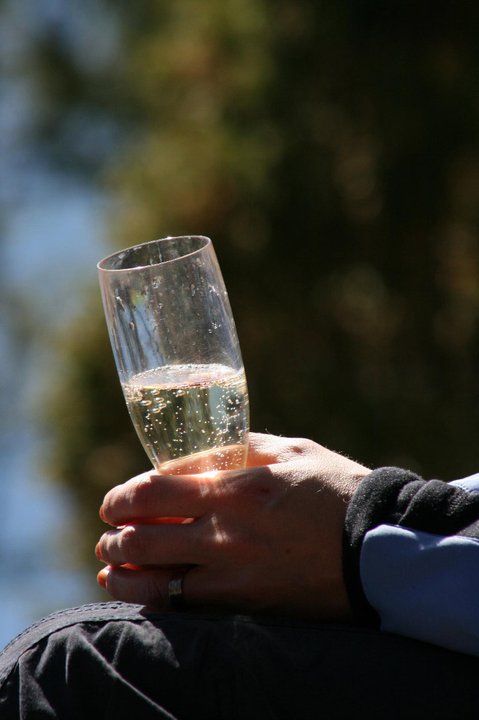
At the moment – 3 hours from the moment of doom – the phone is still dead and I have arrived to a holiday destination in a remote area where replacement for my device is difficult to get (thank god for spouse’s pc that makes this post update possible). So I am sipping away well deserved wine despite the fact that the bacteria in my mouth will metabolise it to nasty carcinogen and cause me an early death.

Anyway about toilet seats. I live in a country where the toilet is flushed with a drinking water and if you have read my previous post you know that the quality of the drinking water needs to be of certain level. So dropping your dentures or mobile phone into the toilet is not THAT disastrous thing really (if only the mobile phone would survive the wet conditions). Plus I have a memory of my teacher in dental school – the same scary periodontist as on one of my previous post. She was teaching us about different bacteria in mouth and said with great wonder that

“they have found even bacteria that is normally found from people’s rectum”

To us young students it was no reason for wonder (like it was to this near-retirement-age teacher) that bacteria from rectum was found from people’s mouth. People mingle with all sorts of things nowadays.

So there is more reason not to worry if you dentures accidentally fall into the toilet. If they survived the fall without cracking, just pick them up, wash your hands and clean the denture with washing up liquid like Fairy (not toothpaste) and they are as good as new.

Now I must apologise my rampant writing, just poured down my third glass of wine. Also, I hope you understand that my blog post might be quiet for a week or so.

Chin-chin!