

As a dental professional I worry about growing phenomenon of dental erosion on patients teeth. Yesterday I saw 6 patients of which 5 of them had erosion on their teeth ranging from mild to very severe. There is not necessarily difference between different age groups any more. Dental erosion affects all the age groups and often it is due to ignorance – not knowing that something we do everyday basis is damaging our teeth. And damaging for good. With this post I hope to raise awareness of one very common habit many of us have that could damage the enamel of the tooth. That is drinking tea.
What is Erosion?
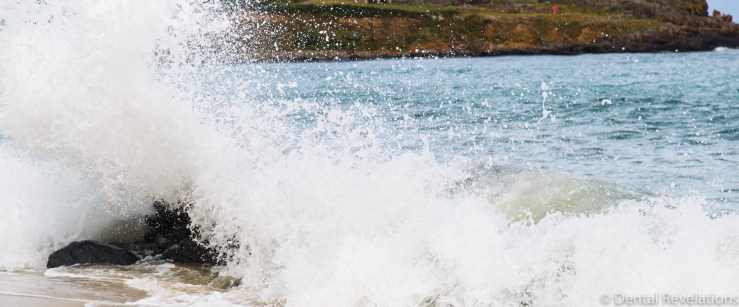
People often know what erosion means when it comes to for example coastal erosion (hence the photo of beautiful Seven Sisters, UK). But when I mention the word erosion to the patient, they often look perplexed.
Dental erosion is one type of tooth wear where tooth looses its structure due to chemical dissolution by acids. These erosive acids enter the mouth through two routes – from outside (food, drinks, medicine, supplements) or from inside of the individual (stomach acid due to gastric reflux or bulimia). The loss of the tooth structure is permanent. It won’t grow back. So the prevention of the dental erosion is the most important thing to do.
With this post I will not go into all the things that cause dental erosion as I have written it in my previous post How Diet Affects Your Teeth? But what I didn’t write on that post was something I didn’t know back then. You see, this profession is constant learning as long as you are receptive. I knew that fruit teas are acidic but what I did not know is that only two types of teas are safe to drink when it comes to tooth wear.
pH of Different Teas
There are plenty of studies about the pH levels of different teas. Just google words erosive potential of teas. When I did this I also run into some worrying sites like this one where incomplete advice is given to people. The effects on teeth is completely left out when talking about alkaline diet even though the mouth is one important part of your overall health.
What people following alkaline diet are thinking is that foods consumed will become alkaline in your body. But remember when acidic foods (lemon, lime, berries, apples etc) or drinks (e.g. herbal and fruity teas, carbonated drinks, juices) enter the mouth, they stay acidic. Lets take the lemon as an example. In the alkaline diet’s pH chart they state that lemon is very alkaline (pH 10). But when entering mouth, it is highly acidic (pH 2.0)
The same site advises people to drink hibiscus tea as alkaline tea. A revelation, also hibiscus is not alkaline when entering mouth. It is in fact the most acidic tea there can be (pH level <3.0). Any drink with pH level below 5,5 will cause erosion on enamel if consumed regularly.
It worries me that people actually follow these constricted advices blindly. I don’t blame them. Many people are clueless when it comes to matters of health. Everyone following alkaline diet should read this article to determine if there are enough health benefits of the alkaline diet to risk the health of the teeth. The only downfall of this article is that it is not writing about health risks of alkaline diet.
Erosion-Enhancers
The herbal and fruity teas are acidic but certain factors can make them even more erosive. These are exposure time and temperature of the drink.
Nowadays people carry their drinks with them in a travel mugs enabling them to sip it during e.g. commuting and perhaps some of it is left for them to drink when they reach their desk. If the drink is acidic tea it means prolonged exposure to acids and if repeated often, it will result in tooth erosion. If there is sugar or honey added to the drink it will be even more erosive and also cariogenic.
Also the hotter the drink is the more erosive it is. And these travel mugs keep the drink warm for a long period of time.
Warning Signs of Erosion
The first sign of dental erosion is normally sensitivity to cold or pressure (when brushing the teeth or touching the surface of the tooth with your finger nail. The latter us professional do not encourage to do). This should raise an alarm in your mind and you should go through your diet to find out if you are consuming something regularly that is too acidic to your teeth. You will find help from my post How Diet Affects Your Teeth. Remember that the best drink teeth-wise between the meals is tap water because it is alkaline.
Another sign of tooth wear is change in tooth colour. As the enamel gets permanently thinner, the yellower tooth structure the dentin under the enamel will start to show through. Your teeth will look yellower than before and no whitening done will change that as the whitening substance is not able to reach the dentin.
When the shape of your tooth is changing, the erosion is already severe. Thinning enamel will easily chip off making your teeth look less attractive than they used to be. Often people feel embarrassed about their teeth at this point.
So my message to you all is to prevent dental erosion! Think what you put in your mouth and how often you do that. Occasional acidic drink will not make any difference but when consumed often, it will cause problems.
Is Any Tea Safe to Drink?
Yes! The pH level of green tea and black tea are on the safe side. Black tea also contains fluoride which helps to prevent tooth erosion. But remember, they are only safe if no sugar (including honey) or lemon is added. Sugar will cause the pH level of the saliva to drop below 5,5 and lemon is very acidic like I mentioned already above.
Here are some studies for further reading
Erosive potential of herbal teas
International Journal of Science and Research (IJSR): Dental Erosion and Tea: A Systematic Review
BBC: “Sipping acidic fruit teas can wear away teeth, says study”
You might also like


 Dental Revelations
